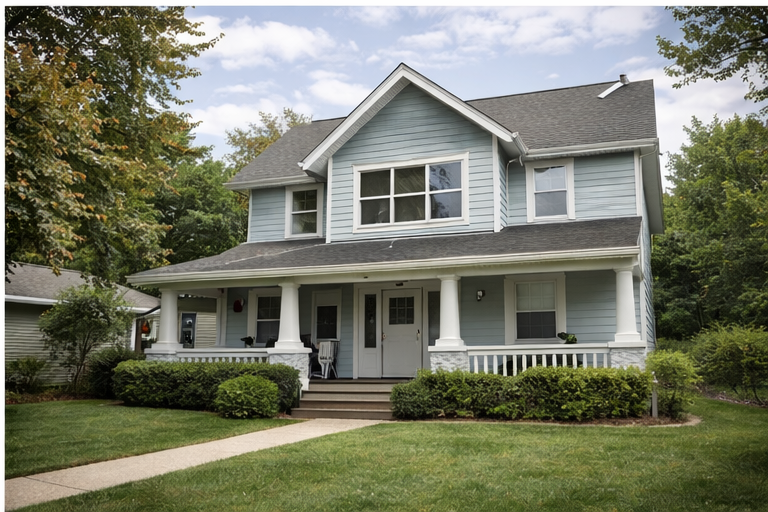
“I thought I was walking away with $80,000… I ended up with $42,000.”
That is something we hear all the time from homeowners across Pennsylvania.
Not because they got a bad deal, but because they did not realize how many hidden costs come with selling a house the traditional way.
If you are thinking about selling your property in Pennsylvania, this is what you actually need to know before you list it.
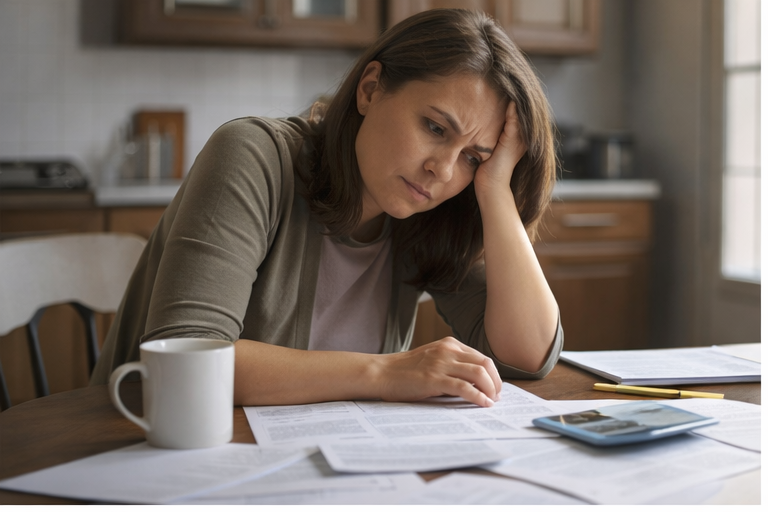
The Truth: Selling a House Is Not Just Agent Fees
Most sellers assume they will pay a real estate commission and that is it.
In reality, there are often several different costs that eat into your profit, and some of them hit much harder than people expect.
Depending on where the property is located, how much work it needs, and how long it takes to sell, the total cost can be tens of thousands of dollars.
Full Breakdown: Cost to Sell a House in Pennsylvania
Here are some of the biggest costs sellers should expect when selling a house in Pennsylvania.
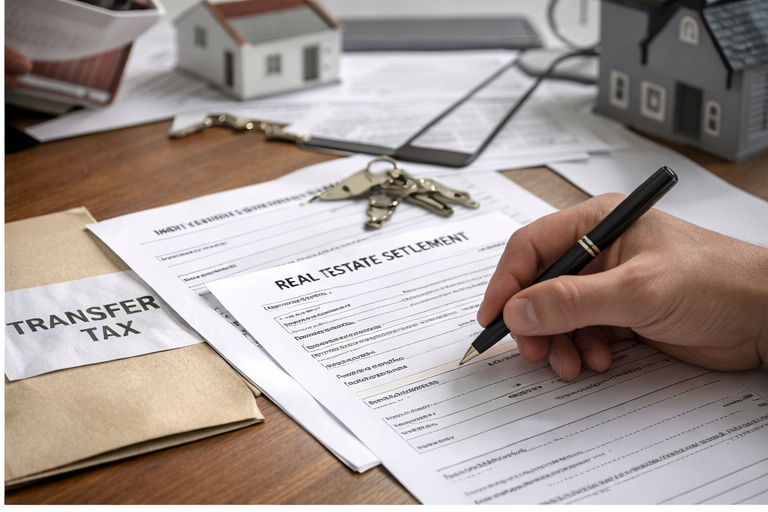
1. Transfer Tax
One of the biggest surprises for many Pennsylvania homeowners is transfer tax.
Pennsylvania has a state realty transfer tax, and in many areas there is also an additional local transfer tax. In Philadelphia especially, this number can be much higher than sellers expect.
On a higher-priced property, transfer tax alone can cost thousands of dollars at closing.
Many homeowners do not realize this exists until they are already at the settlement table.
2. Realtor Commissions
If you sell your house with a real estate agent, commissions are usually one of the largest expenses.
In many cases, sellers may pay a total commission that is split between the listing agent and the buyer’s agent.
On a $300,000 sale, that could easily mean paying many thousands of dollars in commissions before you ever see your net proceeds.
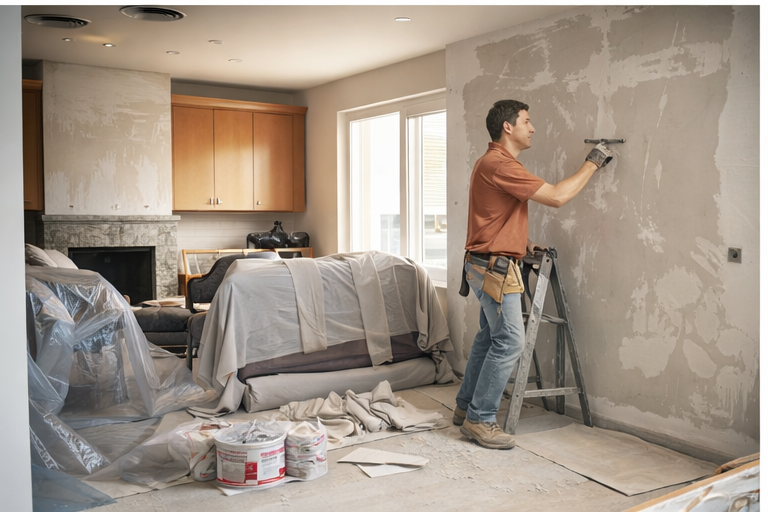
3. Repairs and Prep Costs
Before listing a house on the market, many sellers are told to spend money on things like:
- Paint and cosmetic updates
- Minor repairs
- Roof or plumbing issues
- Flooring replacement
- Landscaping and curb appeal
- Cleaning and junk removal
These costs add up fast.
For some properties, especially inherited homes, rental properties, or houses that have been deferred on maintenance, the total prep cost can be significant.
And the hard part is this: you are usually spending that money before you even know how quickly the property will sell or what inspection issues will come up later.
4. Closing Costs and Title Fees
Most sellers also have closing-related expenses that may include:
- Title fees
- Settlement fees
- Recording fees
- Payoff-related costs
- Other transaction charges
These costs can vary depending on the deal, but they are another part of the equation that reduces how much you actually walk away with.
5. Holding Costs While the House Sits
Even after your property is listed, the bills do not stop.
While you are waiting for the home to sell, you may still be paying for:
- Mortgage payments
- Property taxes
- Insurance
- Utilities
- Basic maintenance
If the property takes longer than expected to sell, these carrying costs can add up fast and quietly eat away at your equity.
Example: What a Seller Might Actually Pay
Let’s say a homeowner sells a property for $300,000.
Now let’s assume they deal with some combination of:
- Transfer tax
- Agent commissions
- Repairs before listing
- Closing costs
- Holding costs while waiting for the property to sell
By the time everything is added up, it is not unusual for the total cost of selling to reach tens of thousands of dollars.
That is why the number you sell for is not always the number that matters most.
The better question is: how much will you actually walk away with after everything is paid?
Why This Matters for Pennsylvania Homeowners
We see this hit hardest in situations like:
- Inherited houses
- Divorce situations
- Landlords who want out
- Homes with deferred maintenance
- Sellers behind on payments
- Properties with liens, violations, or cleanup issues
In these cases, the total cost of listing a house the traditional way can seriously reduce the seller’s net proceeds.
Sometimes a homeowner assumes they will make much more than they really will once fees, repairs, and holding costs are factored in.
What Is the Best Way to Sell?
There is no one-size-fits-all answer.
For some homeowners, listing with an agent makes sense.
For others, especially when the house needs work or the seller wants a faster and simpler sale, selling directly to a buyer can make more sense.
The key is understanding all of your options before making a decision.
Final Thoughts
If you are thinking about selling your house in Pennsylvania, do not just ask what the home might sell for.
Ask what you are actually going to walk away with after transfer tax, commissions, repairs, closing costs, and holding costs are all taken into account.
That is the number that really matters.
Need to Sell a House in Pennsylvania Without Repairs, Fees, or Commissions?
At CFR Philly, we help homeowners sell houses as-is without making repairs, paying agent commissions, or dealing with the uncertainty of listing the property on the open market.
If you want to understand your options, we can give you a no-pressure conversation about your property and what a direct sale might look like.
If it makes sense, we can make you a fair cash offer and help you avoid many of the costs that come with a traditional sale.
Need to sell your house fast? Contact CFR Philly today to see what your options are.